


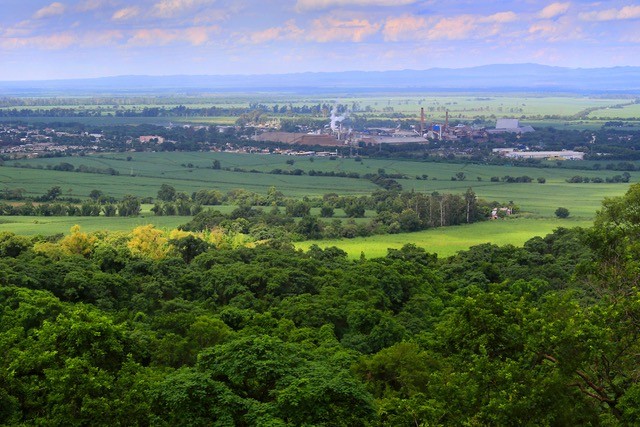
By Ledesma, Argentina –
Ledesma’s Protected Productive Landscape Program (PPP) represents a pathway toward coherently integrating productive activities with the conservation of biodiversity and ecosystems. The program was launched in 2007 due to a territorial planning process for Ledesma’s lands (Land Use Management Plan – POT) and has remained in force for more than 18 years, supported by annual operational plans approved by the provincial authorities.
Based on the analysis of multiple landscape variables — including productive areas, natural environments, vegetation units, watersheds, areas of conservation interest, infrastructure, and connected protected areas, among others — a technical framework was developed to support territorial zoning and integrated land management. In 2008, through its Land Use Management Plan, Ledesma committed to conserving 61% of its territory (96,000 hectares out of 157,000 hectares), encompassing Yungas rainforest ecosystems, transitional and Chaco forests, wetlands, and river and stream corridors.
This commitment not only entails refraining from productive intervention in these areas but also promoting conservation-oriented actions such as the control of induced impacts (environmental surveillance and signage), increasing visibility and recognition of forest ecosystem services, and implementing forest restoration initiatives (reforestation and enrichment programs), among others.
At the same time, a biodiversity monitoring program associated with productive systems was launched:
- Flora and forest dynamics monitoring: through the establishment of permanent plots (control sites) in associated Yungas and Chaco Forest ecosystems, data are collected on forest structure, growth dynamics, and estimates of carbon stock and sequestration capacity.
- Wildlife monitoring:
- The installation of motion-sensitive camera traps, which provide information and images of medium- and large-sized mammals in forested areas, edges, and within cultivated lands;
- Bird monitoring, conducted every five years in forest areas associated with sugarcane and citrus production. Birds serve as valuable indicators of habitat quality and forest conservation status;
- Monitoring fish and macroinvertebrate populations in major rivers and canals associated with productive activities, with the objective of assessing biodiversity and estimating population abundance.
The goal of biodiversity monitoring is to generate information on the health of natural ecosystems linked to productive landscapes and to better understand the complex interactions that take place within them.
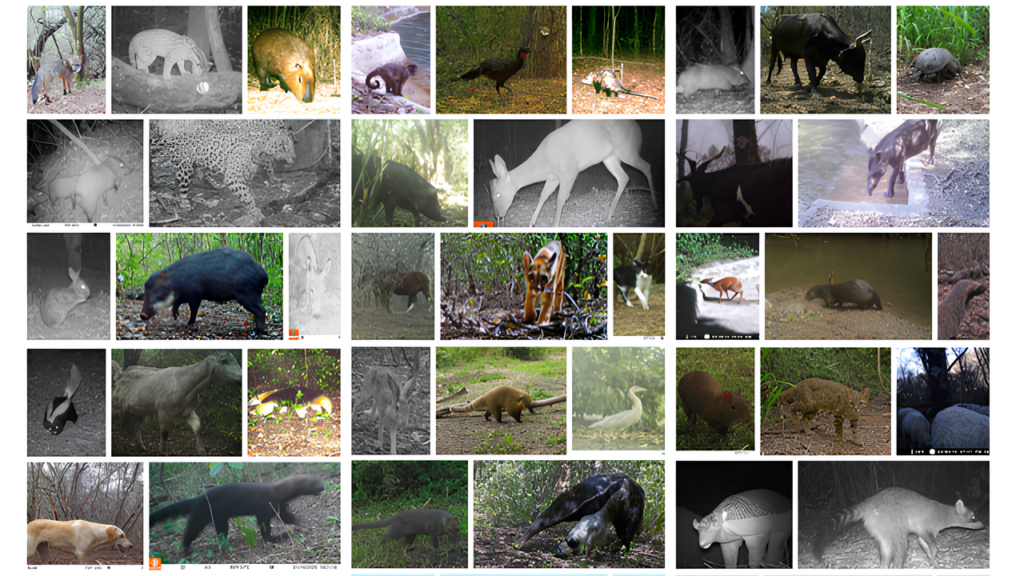
This work is made possible through partnerships established with civil society organizations and the public sector. Particularly noteworthy is the strategic alliance with Fundación ProYungas, an organization with strong technical expertise in the ecoregion, without which the program would not have been possible. In addition, partnerships with government authorities have enabled the development of agreed strategies and complementary financing mechanisms, while civil society organizations have contributed technical capacity, information, and targeted resources to support the achievement of the program’s objectives.
The Land Use Management Plan (POT) was approved by the Province of Jujuy and underwent consultation with civil society and environmental stakeholders in accordance with applicable provincial and national regulations. Biodiversity monitoring also involves other key institutions, including CONICET and the National University of Jujuy. Management activities are carried out jointly with Calilegua National Park.
It is important to highlight that the POT was developed before the enactment of National Law 26,331 on the Environmental Protection of Native Forests. It represented the first large-scale farm-level land use management plan in Argentina and became a driving force behind Jujuy’s first provincial land-use planning initiative. Both Ledesma’s territorial planning process and its subsequent provincial projection served as important inputs for the drafting of Argentina’s National Forest Law and became a landmark example demonstrating in practice that productive development and conservation can be successfully reconciled.