


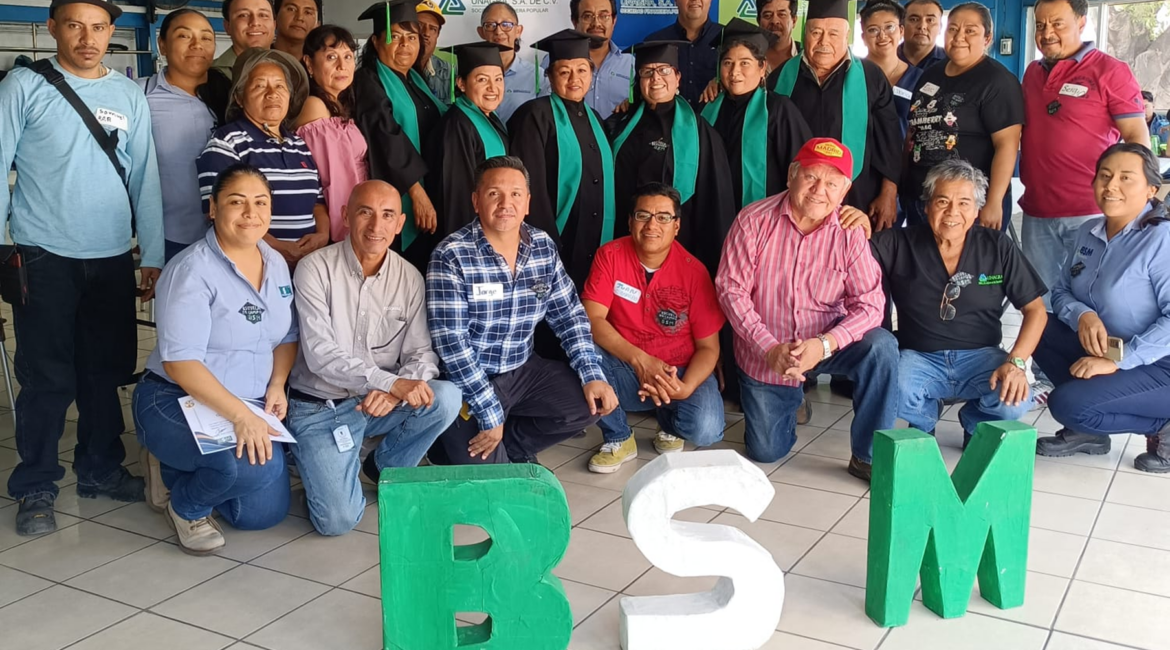
By Fundación Beta San Miguel, México –
In today’s agroindustrial landscape, the implementation of ESG (Environmental, Social, and Governance) criteria has evolved from a trend into an operational necessity to ensure the resilience of the sector. The “Escuelas de Campo” (Field Schools) project, promoted by Fundación Beta San Miguel, based at Ingenio Central Casasano, in collaboration with a client and a specialized advisor, stands out as a transformative initiative that addresses critical challenges facing Mexico’s sugarcane industry.
The Challenge: Bridging Gaps at the Heart of the Field
Historically, the sugarcane sector has faced a disconnect between formal education and the productive realities of agricultural communities. The Escuelas de Campo initiative was created to address this challenge by transforming agricultural plots into “seeds of change,” integrating meaningful knowledge with the local farming context and strengthening producers’ capabilities.
Methodology for Impact: The Field as a Living Classroom
The strategy is based on an experiential and interactive learning model designed to be implemented over the course of one year — the time required to complete the sugarcane production cycle from planting to harvest.
- Management and local context: educational spaces are selected according to the sociocultural characteristics of each community, ensuring the project’s relevance and effectiveness.
- Training sessions: through structured educational sessions, producers explore topics related to sugarcane planting, cultivation, and harvesting, as well as soil strengthening and environmentally conscious production practices.
- Social awareness: the program also incorporates topics focused on the promotion of and respect for human rights within the sector.
Results That Go Beyond the Classroom
The impact of the Escuelas de Campo initiative is reflected in strong indicators that benefit the entire agroindustrial value chain:
- Beneficiary population: the project has directly impacted 241 producers.
- Knowledge transfer: learning extends beyond the classroom, as producers become agents of change by promoting sustainable agricultural practices and fostering intergenerational dialogue within their communities.
Replicability and Success Factors as an Industry Best Practice
To ensure that the initiative remains replicable and sustainable, the project is grounded in the exchange of best practices and the use of accessible local resources. Among the key success factors are the continuous updating of technical content necessary for field productivity and sustainability, as well as the development of multidisciplinary teams.
Conclusion: Planting the Future of the Mill Today
The Escuelas de Campo initiative demonstrates that sustainability in the agroindustry begins with education. By integrating educational, social, and environmental components, Ingenio Central Casasano not only promotes responsible sugarcane production, but also cultivates a new generation of conscious producers and professionals under the belief that “better communities build better mills.”