The
Association of Latin American Sugar Producers (UNALA) hosted the event “Decarbonization
Pathways: Ethanol as Part of the Solution,” with the support of Guatemala’s
Ministry of Energy and Mines, the Guatemalan Association of Alcohol Producers
(APAG), the Guatemalan Renewable Fuels Association (ACR), and the Embassies of
Brazil and Argentina in Guatemala. This regional dialogue brought together
international experts, public and private sector representatives, agro-industry
leaders, and members of the diplomatic corps to analyze the strategic role of
ethanol in Latin America’s energy transition.
The main
objective of the event was to promote technical and strategic exchange on
ethanol blending programs, highlighting their positive impact on emissions
reduction, energy security, and regional economic development.
Throughout the
discussions, it was emphasized that Latin America is one of the regions with
the greatest experience and potential in sustainable ethanol production, driven
by its leadership in the sugarcane agro-industry and the progress achieved in
countries such as Argentina, Brazil, and Uruguay. In this context, UNALA
reaffirmed the importance of strengthening regulatory frameworks to consolidate
and expand biofuel policies, providing legal certainty, attracting investment,
and fostering the development of national value chains.
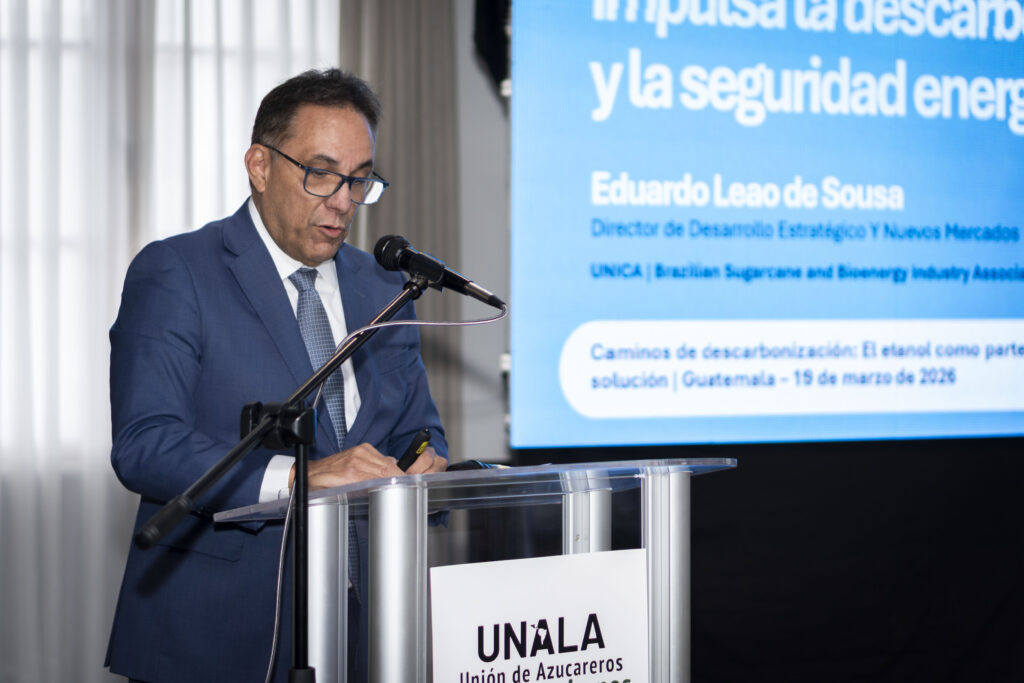
Eduardo Leão, Director of Strategy and New Markets at the Brazilian Sugarcane Industry and Bioenergy Association (UNICA).
As part of the program, Eduardo Leão, Director of Strategy and New Markets at the Brazilian Sugarcane Industry and Bioenergy Association (UNICA), delivered a presentation entitled “Ethanol as a Driver of Rural Development,” highlighting the strategic role of sugarcane as an engine of economic growth in rural areas. He underscored that ethanol development generates employment, stimulates local economies, strengthens value chains, and attracts investment in rural territories, while also contributing to decarbonization and energy security. He further emphasized that food and clean energy production can coexist in a complementary manner.
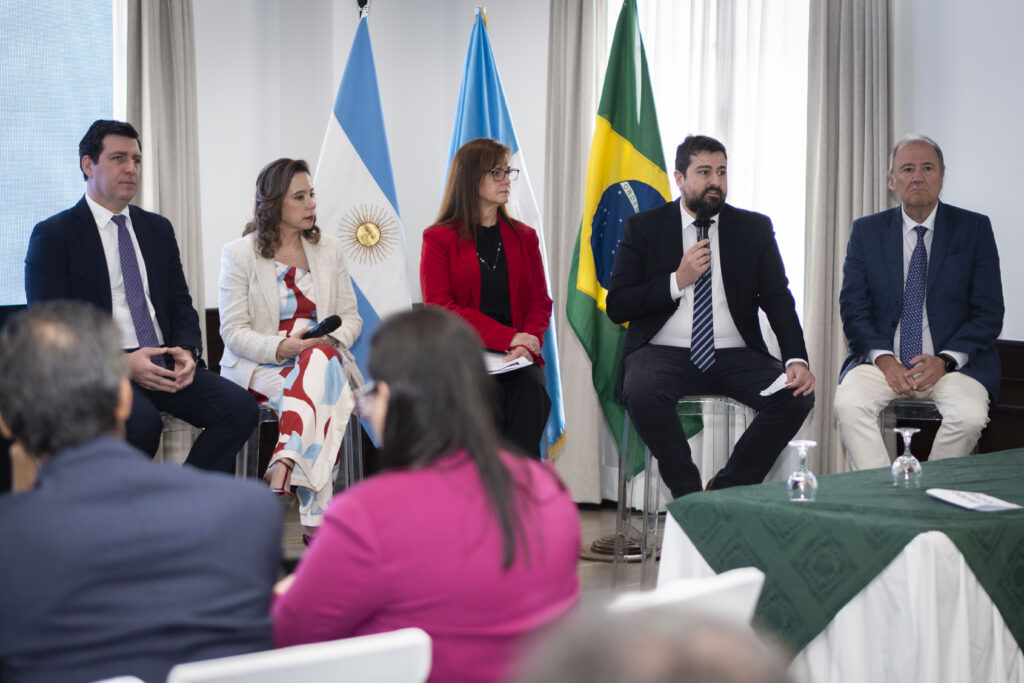
From left to right: Rodrigo Cardenal, President of the Panamanian Sugar and Alcohol Association; Ivanova Ancheta, Executive Director of the Guatemalan Association of Alcohol Producers; Anna Cristina Bailey, Dean of the Faculty of Environmental and Agricultural Sciences at Universidad Rafael Landívar; Marcelo Sadres, President of Alcoholes del Uruguay; and Jorge Feijóo, President of the Argentine Sugar Center.
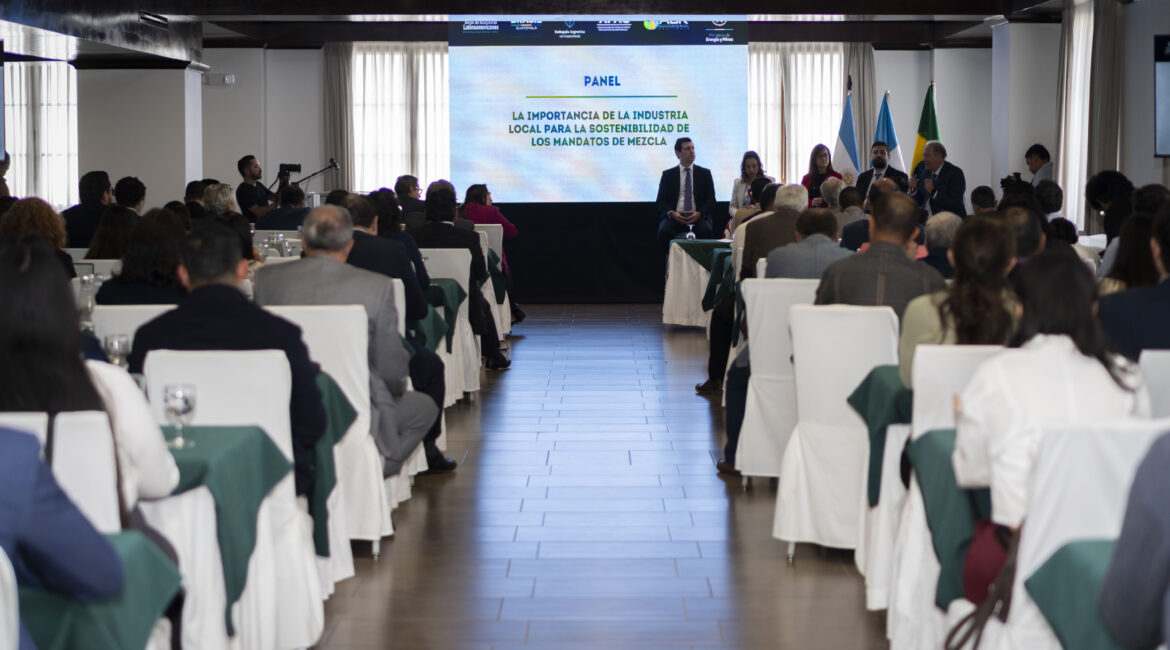
The first panel, “The Importance of Local Industry for the Sustainability of Blending Mandates,” addressed the evolution of blending programs in the region, the environmental and economic benefits of ethanol, and the opportunities for Latin American countries that have yet to implement such schemes. Panelists agreed that ethanol is an immediately available solution to reduce transport sector emissions, improve air quality, and decrease dependence on fossil fuels.
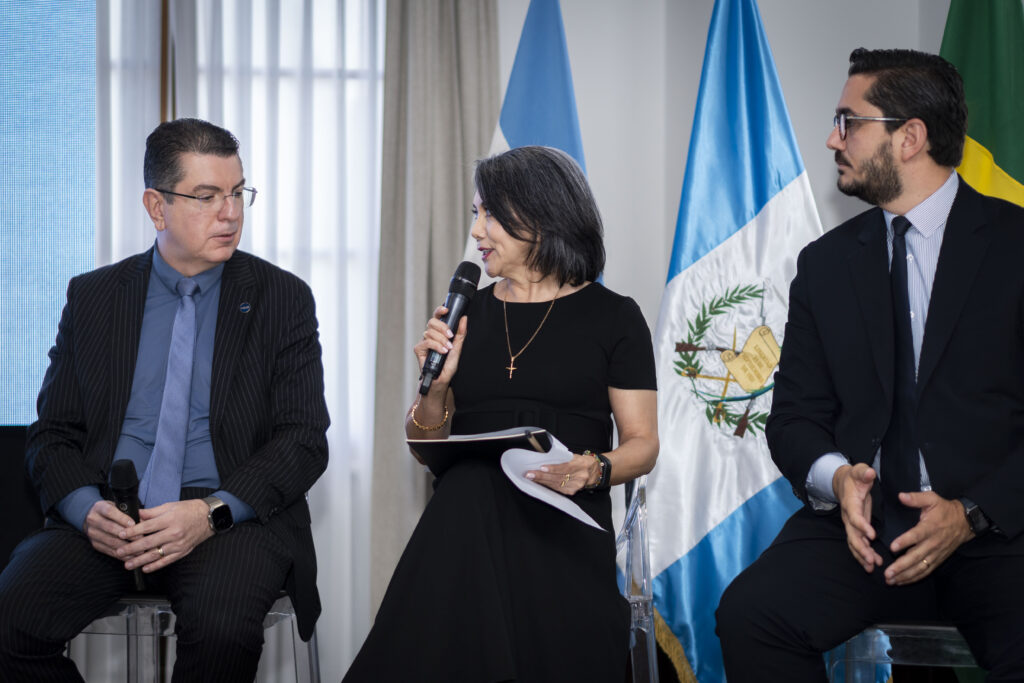
From left to right: Marlon Arraes, Director of the Biofuels Department at Brazil’s Ministry of Mines and Energy; Laura Zurita, President of the Ecuadorian Sugar Producers Federation; and Federico Salcedo, Regional Consultant for Latin America, U.S. Grains Council.
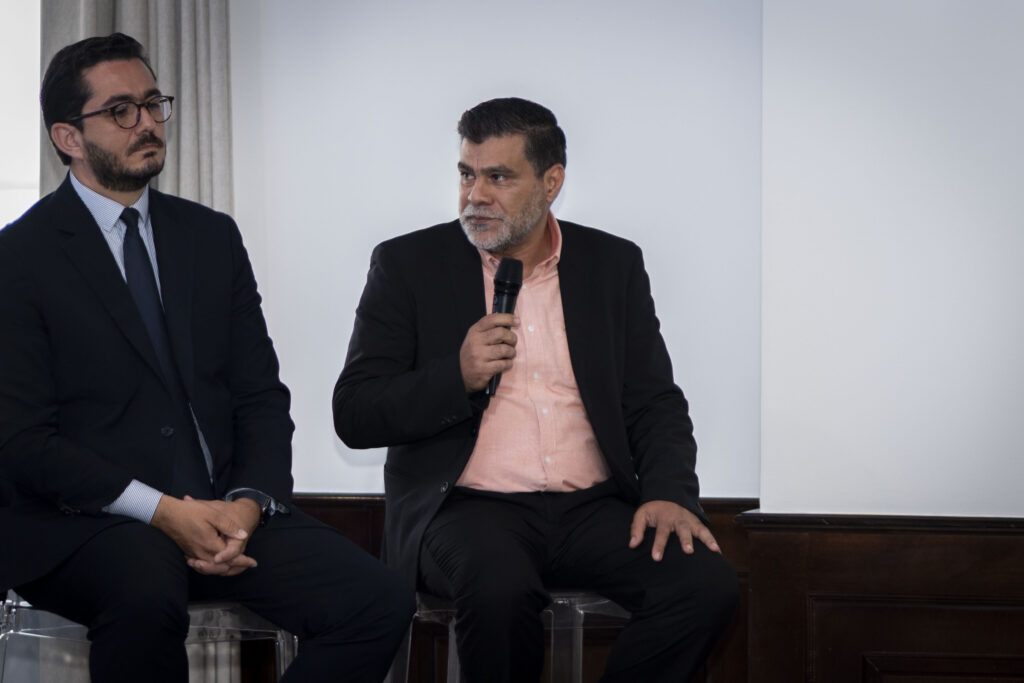
From left to right: Federico Salcedo, Regional Consultant for Latin America, U.S. Grains Council; and Guillermo Xoy, Deputy Director, General Directorate of Hydrocarbons, Ministry of Energy and Mines of Guatemala.
The second panel, “The Future of Ethanol,” explored technological innovation, the expansion of advanced biofuels, and the integration of ethanol into national decarbonization strategies. Discussions highlighted that ethanol production in Latin America does not compete with food production, but rather forms part of highly efficient agricultural systems where both food and biofuels can be produced in a complementary way. Panelists also agreed that ethanol is emerging as a key tool for energy modernization, contributing to improved air quality, enhanced energy security, and reduced reliance on fossil fuels in an increasingly uncertain geopolitical context.
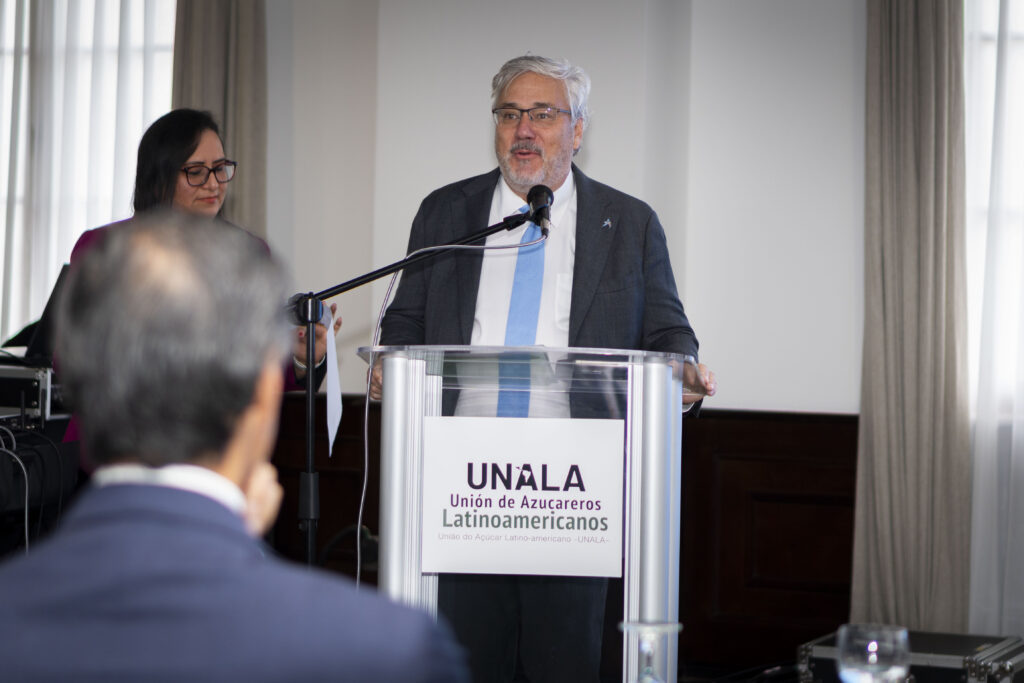
Richard Ham, Member of the Board of Directors, UNALA.
As an organization representing the leading sugar and ethanol-producing countries in the region, UNALA reaffirmed its commitment to promoting evidence-based technical dialogue to position ethanol as a key component in building a cleaner, more competitive, and sustainable energy matrix for Latin America.