By Grupo Pantaleon, México –
Grupo Pantaleon is promoting in Veracruz a comprehensive sugarcane ecosystem development model that combines productivity, modernization, and social development with a long-term vision.
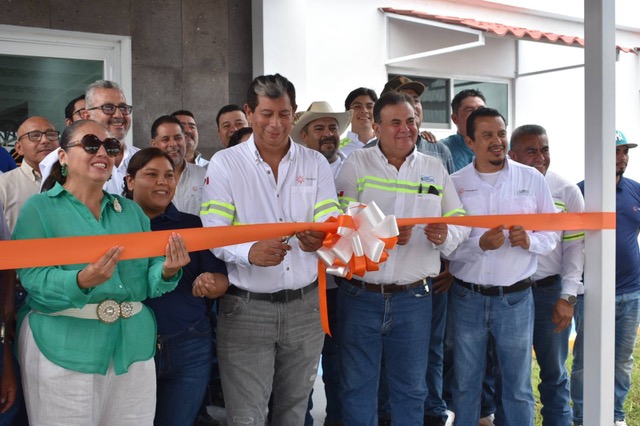
In the heart of Veracruz, in the municipality of Pánuco and its surrounding communities, Grupo Pantaleon has been implementing since 2023 a model that goes beyond traditional sugarcane production. The Regional Sustainable Sugarcane Productivity Model (MRSSP) — internally known as the Extension Services Project — was created in response to the productive, climatic, and social challenges facing the sector in Mexico. The initiative embraces a systemic and integrated vision that transforms the entire value chain.
The Pánuco region faces significant challenges, including prolonged droughts, recurring floods, and an increasing need to modernize agricultural and harvesting practices. Added to this is the limited availability of specialized technical labor. In response, the agricultural team at Ingenio Pánuco recognized that the sector’s challenges could not be addressed in isolation, but rather through a systemic approach integrating agricultural production, mechanized harvesting, and local talent development into a single strategy.
A Three-Pillar Model
The project is structured around three complementary pillars.
The first pillar is Agricultural Extension Services, which includes socioeconomic studies, training sessions, technical assistance, certification programs for technicians, demonstration plots, and integrated weed and pest management.
The second pillar is Harvest Extension Services, aimed at promoting best harvesting practices and accelerating the transition toward mechanized harvesting.
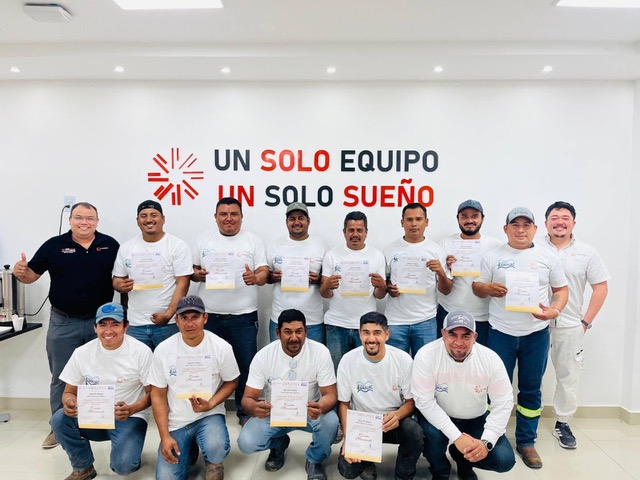
The third pillar is the Regional Training Center, which provides free technical and practical training in harvesting and mechanics for people from surrounding communities through a structured curriculum and specialized tools such as simulators.

Measurable Impact and Cultural Transformation
In just over two years of operation, the results have been remarkable. Agricultural productivity increased from 62.29 to 74.16 tons of sugarcane per hectare, while the number of trained producers grew from 1,232 to 3,845, supported by 7,548 technical advisory sessions.
On the harvesting side, machinery downtime was reduced from 6.4% to 2.4%, and mechanized harvesting increased from 24% to 64%, while the number of available harvesters doubled from 16 to 32 units.
The Regional Training Center has trained 53 harvester operators and 38 mechanics, surpassing its initial goals. One particularly significant achievement has been the creation of new opportunities for women in specialized technical roles. Currently, one woman is already operating a harvester in the field — an unprecedented milestone in the Mexican sugarcane agroindustry — while nine additional women have completed their training and are ready to join the workforce. This progress represents not only a productive shift, but also a profound cultural transformation within the region.
Sustainability, Partnerships, and a Long-Term Vision
The sustainability of the model is supported by strategic partnerships with leaders of sugarcane grower associations (CNC and CNPR), suppliers of agricultural inputs and machinery, and external technical experts. In parallel, producers have also received training in financial management to strengthen their long-term operational autonomy.
Ingenio Pánuco’s Extension Services Project demonstrates that sustainability in the sugar value chain is not an abstract aspiration, but a reality built from the field, with communities, and for the long term. In a global context where the Latin American sugar industry is increasingly scrutinized by international stakeholders, initiatives like this provide compelling evidence that it is possible to produce more and better while caring for people and the environment Grupo Pantaleon shares this model with the conviction that the lessons learned can serve as inspiration and a benchmark for the entire region.